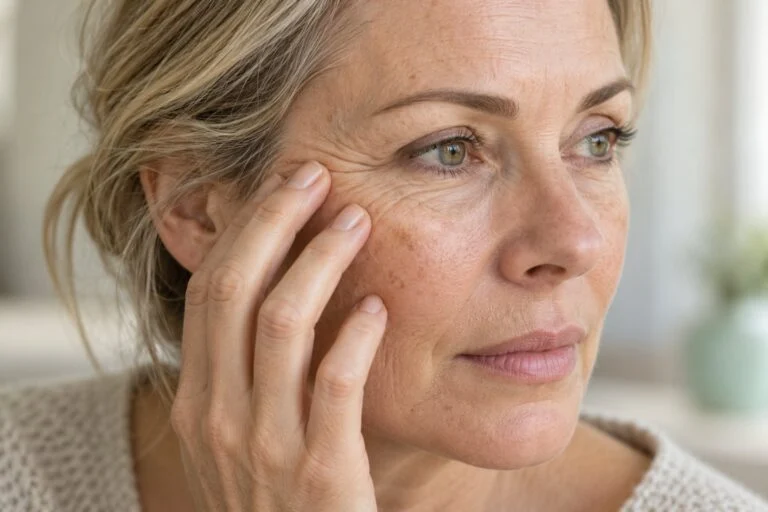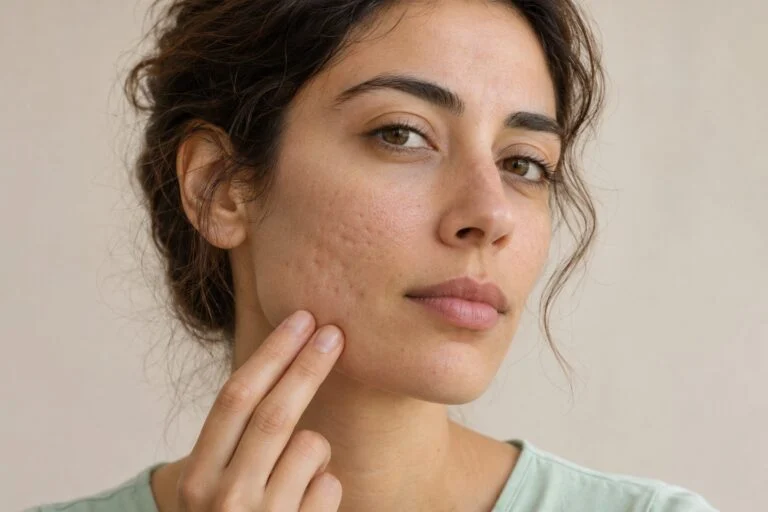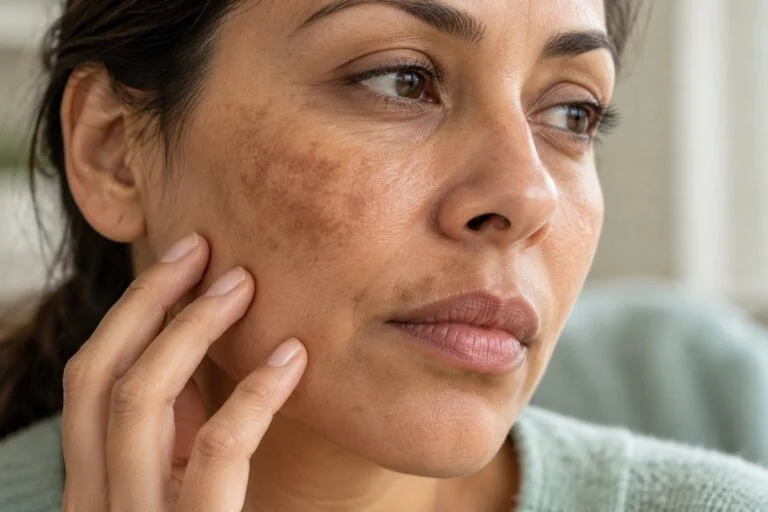
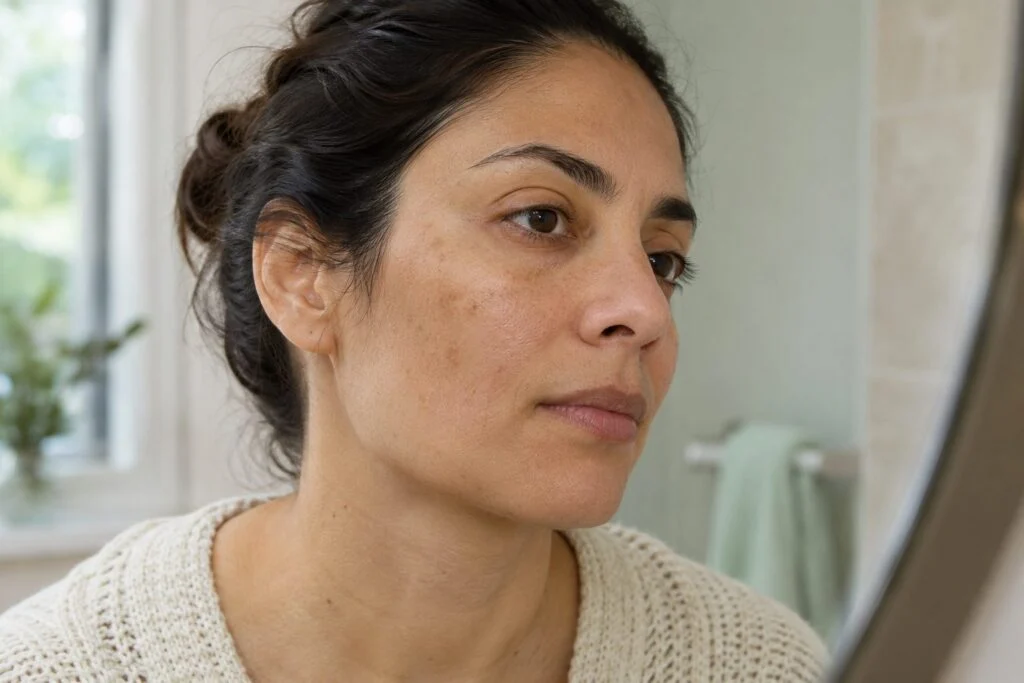
A chemical peel uses a carefully chosen solution to lift away tired surface skin. At our Leamington Spa clinic we offer TCA Skin Peeling, a medium chemical peel. It may help skin that looks dull, uneven or rough. It may also soften the look of fine lines and mild acne marks.
Every peel starts with a consultation. We look at your skin type, your concerns and your skin history. Then we suggest a plan that suits you. You don’t need a GP referral. Results vary from person to person.
What is a chemical peel?
A chemical peel is a liquid put on clean skin for a short time. It loosens the outer layer of dead and damaged skin cells. Over the next few days that layer flakes or peels away. The skin underneath can then look fresher and more even.
Light and medium peels
Peels come in different strengths. A light peel works on the very top layer of skin. It usually causes little peeling, but it also does less. A medium peel goes a little deeper. It can do more, but your skin takes longer to recover.
TCA Skin Peeling: a medium peel
TCA stands for trichloroacetic acid. Our TCA peel is a medium chemical peel. Your practitioner sets the strength to suit your skin. Because it works deeper than a light peel, your skin will feel tight and then peel or flake for several days.
If you would like to compare a peel with laser options, see our laser skin resurfacing page.
Who might a TCA peel suit?
A TCA peel may help if you have:
- dull or tired-looking skin
- uneven skin tone or patchy colour
- rough skin texture
- fine lines
- mild acne marks
A peel works on the surface of the skin. Deeper wrinkles, scars and stubborn pigmentation may respond better to other treatments. If that is the case for you, we will tell you at your consultation.
For melasma, our doctors carry out the Cosmelan peel. This is a separate depigmentation treatment that comes with skincare to use at home.
Our appointments are for adults aged 18 and over. You don’t need a GP referral to book.
Checking your skin type first
Skin reacts to peels in different ways, so we check your skin carefully first. At your consultation we ask about:
- your skin type and how easily it burns, tans or marks
- any skin conditions, for example eczema, rosacea or cold sores
- medicines you take and skincare you use, especially strong products such as retinoids or acids
- recent sun exposure, waxing or other skin treatments
- any past reactions to peels, laser treatment or skincare
Your practitioner may suggest a patch test first. This shows how your skin responds before a full treatment.
Darker skin tones
Darker skin can be more likely to develop dark marks after irritation, and this includes after a peel. That does not rule out a peel. It does mean the strength of the peel really matters. We assess your skin at consultation and may patch test first. If you have darker skin, please contact us to discuss your skin before you book.
Dry or sensitive skin
Dry or sensitive skin may need extra care with a medium peel. Your practitioner may suggest using suitable skincare for a while before your peel. If your skin is very reactive, a TCA peel may not be right for you. If so, we will say so and talk about gentler options.
Darker skin on the neck, underarms, knees or knuckles
Many people ask about darker skin on the neck, underarms, knees, knuckles or lips. This can have several causes, for example friction or sun exposure. Sometimes darker, velvety skin on the neck or underarms is linked to a health condition. In that case your practitioner may suggest a doctor checks it first. Whether a peel or another treatment suits these areas is discussed at your consultation.
Possible risks
A medium peel is a medical skin treatment, so it carries some risks. Your practitioner will talk them through with you at consultation. They include:
- cold sores, which can flare up after a peel if you are prone to them
- infection while the skin heals
- changes in skin colour, with darker or lighter patches, which are more likely in darker skin
- scarring, which is rare
Please tell us if you get cold sores. Your practitioner will explain what this means for your treatment. Contact us straight away if your skin becomes more sore, swollen or hot as it heals.
What happens on the day
Your skin is cleansed to remove oil and make-up. The peel solution is put evenly on the treatment area. It stays on for a set time while your practitioner watches how your skin responds. Your skin is then soothed. You go home with aftercare and sun protection advice.
Most people feel warmth, tingling or stinging while the peel is on. The feeling tends to settle soon after the peel is finished. Your practitioner will tell you how long your appointment will take.
Peeling and downtime
After a TCA peel, your skin may look red or a little darker at first and feel tight. It then peels or flakes over several days. This is a normal part of the process.
Please do not pick or pull at peeling skin, as this can leave marks. Let it come away on its own. You may want to plan your peel around work and social events. Your practitioner will explain what to expect for your skin.
Aftercare and sun protection
Freshly peeled skin is more sensitive to the sun. Good sun protection is a key part of your aftercare.
- Use a broad-spectrum sunscreen every day, even when it is cloudy.
- Avoid sunbeds and strong sun while your skin heals.
- Use a gentle cleanser and moisturiser.
- Stop strong products such as retinoids, exfoliating acids and scrubs until your practitioner says you can start them again.
- Avoid saunas, steam rooms and hard exercise for the time you are advised.
- Contact us if anything worries you.
How many peels will I need?
This depends on your skin and your concerns. Many people have a course of several peels, with time between them for the skin to recover. Your practitioner will suggest a plan at consultation. Daily sun protection and a good skincare routine help you keep the benefits for longer.
Book a consultation in Leamington Spa
Eve Clinics is a CQC-regulated clinic. You can find us on our Leamington Spa page. Current prices for TCA Skin Peeling are on our price list. When you are ready, book a consultation and we will help you decide if a TCA peel suits your skin.