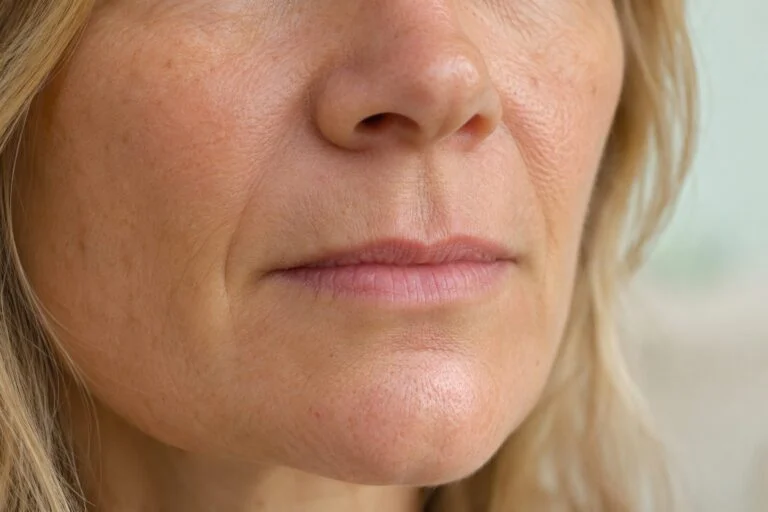

A wide or square jaw can come from a strong chewing muscle, called the masseter. The same muscle works hard if you clench your jaw or grind your teeth, known as bruxism. At our Leamington Spa clinic, one of our doctors can assess your jaw muscles and talk through your options.
Every treatment starts with a consultation. Your doctor will explain what may be causing your concern and which options, if any, may suit you. They will also tell you when to see your dentist or GP. A consultation may or may not lead to treatment, and there is no pressure to go ahead. You do not need a GP referral to book.
What causes a wide or square jaw?
The masseter is the main chewing muscle. It runs from your cheekbone down to the angle of your jaw, just in front of the ear. In some people this muscle is large and strong. This can make the lower face look wider or more square.
A strong masseter is not the only reason a jaw can look wide. The shape of your jaw bone, fat under the skin and looser skin can all play a part. That is why your doctor assesses you before any plan is made.
Jaw clenching and teeth grinding (bruxism)
Many people clench their jaw or grind their teeth without knowing. It often happens at night, but it can happen in the day too. Over time, the chewing muscles can get bigger from working so hard.
Signs can include an aching jaw in the morning, sore teeth or a partner hearing you grind at night. Teeth grinding can also wear down or damage your teeth.
At your consultation, your doctor assesses your jaw muscles. Your teeth need to be checked by a dentist, so please see your dentist about teeth grinding as well. A dentist can check your teeth for wear and talk about ways to protect them. If you have jaw pain, clicking or trouble opening your mouth, you may need to see a dentist or your GP. Your doctor can advise you on this at your consultation.
Who this consultation may suit
- People who feel their jaw looks wide or square
- People who clench their jaw or grind their teeth
- People whose chewing muscles feel tight or bulky
- People who want a doctor’s view before deciding on any treatment
Our appointments are for adults aged 18 and over. Your doctor will always check whether a treatment is right for you at your consultation.
What your doctor checks
Your doctor will start by asking about your concern and what you would like to change. They will take a full medical history, including any medicines you take and any health conditions. They will then look at:
- The size and strength of your chewing muscles, at rest and when you clench
- The shape of your face and jaw, and the balance between both sides
- Whether the width comes from muscle, bone, fat or skin
- Signs of clenching or grinding, and whether you have seen a dentist about it
- Any jaw pain, clicking or stiffness that may need a dentist or GP
Your options in general terms
No single approach suits everyone. Your doctor will explain which options, if any, may suit you. Sometimes your doctor may advise that no treatment is needed.
Some options involve a prescription-only medicine, which is only discussed after your doctor has assessed you.
If your doctor suggests a treatment, they will explain how it works, the possible side effects and risks and what to expect. How long any treatment lasts varies from person to person. Your doctor will talk you through this and any follow-up.
Seeing your dentist or GP
- Your dentist: for a check of your teeth and advice on protecting them from grinding.
- Your GP: if jaw pain, clicking or other symptoms need looking into.
What to expect at your consultation
- You talk about your concern and what you hope to change.
- Your doctor takes your medical history and examines your face and jaw.
- Your doctor explains what may be causing your concern and the options in general terms.
- You have time to think. If you decide to go ahead, your doctor will agree a personalised plan with you.
You can ask as many questions as you like. A consultation may or may not lead to treatment.
Aftercare and follow-up
If you go ahead with any treatment, your doctor will give you clear aftercare advice. They will tell you what is normal afterwards and what to look out for. They will also tell you how to contact the clinic if you are worried. Your doctor will explain any follow-up at your appointment.
Jaw clenching consultations in Leamington Spa
Your consultation takes place at our CQC-regulated clinic in Leamington Spa, Warwickshire. You can find out more about our team and our Leamington Spa clinic. You do not need a GP referral. To book, visit our appointment page, or contact us with any questions.